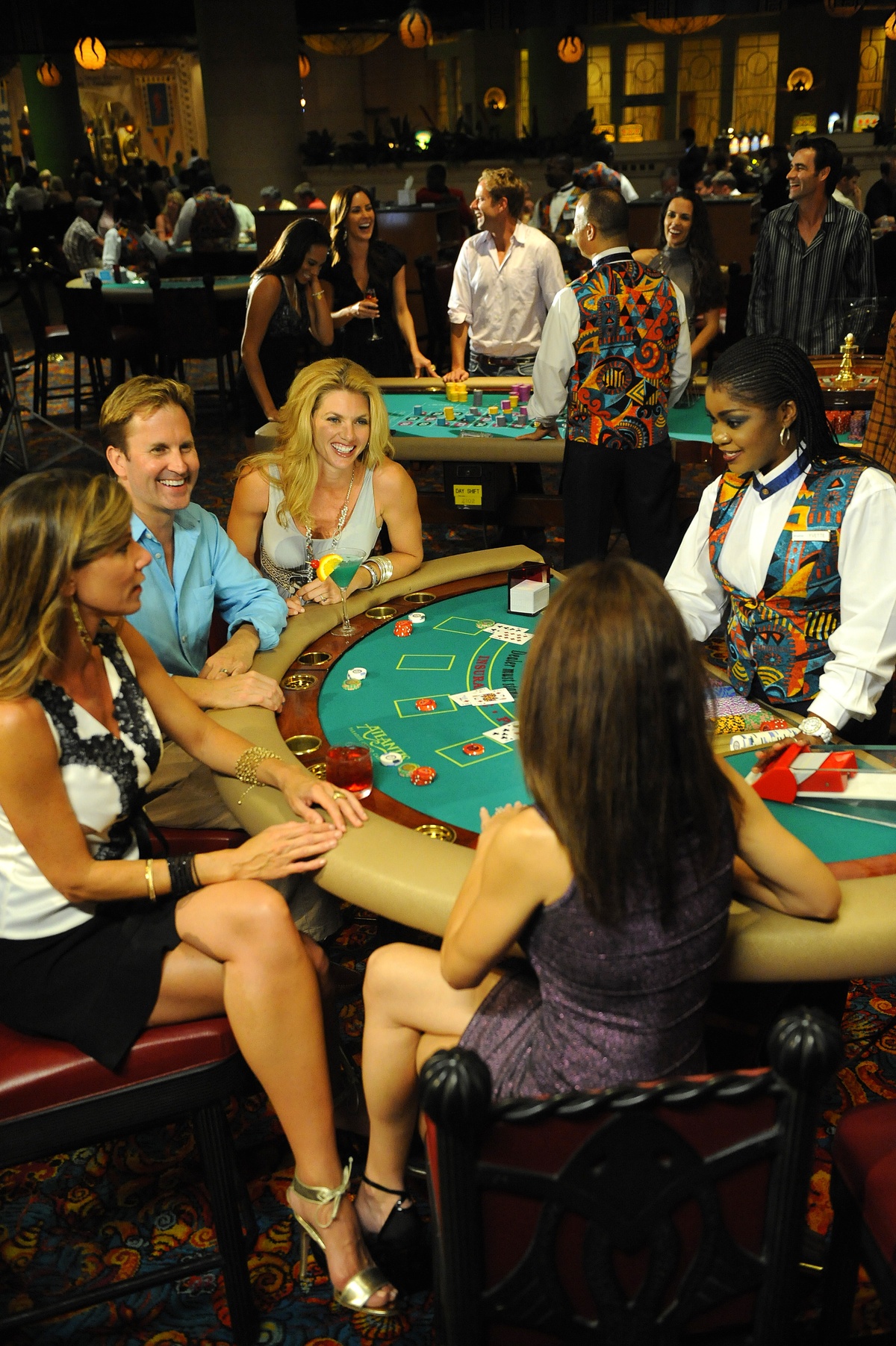
Beach casinos sit at an interesting crossroads: part gambling destination, part holiday experience. Instead of asking visitors to travel somewhere only to gamble, these properties use the surrounding coast, beaches, hotels, restaurants, nightlife, and entertainment to create a complete trip. This approach is closely connected to the integrated resort model, where gaming is combined with non-gaming attractions such as accommodation, dining, shopping, entertainment, and events. Research on integrated resorts shows that these properties are designed to attract both gambling customers and people who may be interested mainly in leisure or tourism.
The Beach Becomes Part of the Destination
The biggest advantage of a coastal casino is the destination itself. A visitor can spend the morning on the beach, enjoy lunch overlooking the water, explore nearby attractions in the afternoon, and visit a casino later. That changes the casino from a standalone gambling venue into one part of a wider holiday. For beach destinations, this matters because travelers already have reasons to visit the area that have nothing to do with gambling. The casino simply becomes another activity available during the trip.
Hotels Keep Visitors Nearby
Accommodation is another important link between gambling and tourism. Beach casino resorts often place hotels close to gaming areas, restaurants, pools, entertainment venues, and coastal attractions. The practical idea is simple: make it easy for visitors to stay longer. Research on casino-based integrated resorts describes this combination of casinos, hotels, food and beverage outlets, shopping, and entertainment as a way of creating a broader tourism product.
Non-Gambling Activities Bring in More Than Players
A smart beach casino does not need every visitor to gamble. Restaurants, shows, shopping, spas, water activities, conference facilities, and family attractions can bring in tourists who never enter the casino floor. Singapore provides a useful example of this wider approach. Its two integrated resorts include hotels, attractions, dining, retail, entertainment, and convention facilities alongside casinos. The Singapore Tourism Board describes these resorts as part of the country’s overall destination appeal.
The Local Area Benefits From Visitor Spending
Casino tourism can also spread visitor spending beyond the property itself. Tourists may pay for transportation, restaurants, excursions, beach activities, local shopping, and accommodation. A study of Atlantic City, a major seaside casino destination, found that the introduction of commercial casinos was associated with substantial increases in employment, wages, and personal income in the metropolitan area during its early years. That does not mean every beach casino creates the same results, but it shows why coastal communities may view casino development as a tourism and economic-development tool.
The Real Product Is the Complete Trip
The simplest way to understand beach casino tourism is to stop thinking of the casino as the whole attraction. The beach creates the holiday setting, hotels provide a place to stay, restaurants and entertainment fill the schedule, and gambling becomes one optional part of the experience. For travelers, the practical takeaway is to compare the entire destination rather than judging a beach casino only by its gaming floor. Check the beach access, accommodation, transport, dining, nearby attractions, local gambling rules, and total trip cost. That gives you a much clearer picture of what the destination actually offers.

Leave a Reply