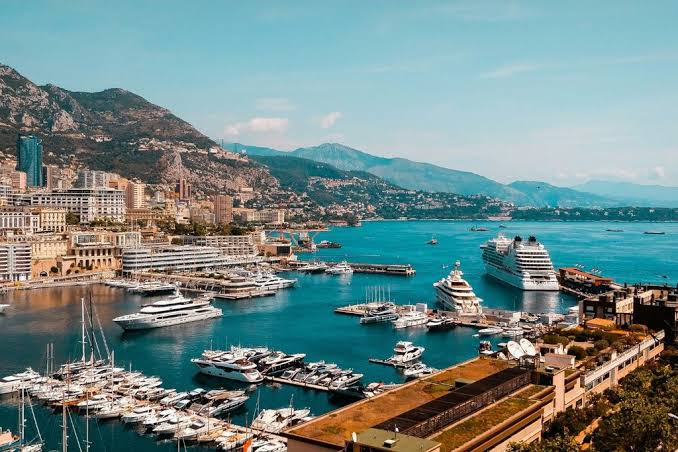
Coastal destinations attract visitors with their beaches, seaside restaurants, hotels, and outdoor activities. In some locations, casinos have become another part of this tourism offering. They bring together gaming, accommodation, dining, and entertainment, creating additional reasons for visitors to spend time in the area. Under the theme Best Beach Casinos: Beach Casino Destinations, it is worth examining how these establishments contribute to local economies and whether their benefits extend beyond the casino itself.
Attracting More Visitors to Coastal Destinations
A casino can add another attraction to an established beach destination. Travellers who might initially plan a short seaside holiday may consider staying longer when the area also offers resort entertainment, restaurants, live performances, and gaming facilities.
Atlantic City in New Jersey is a well-known example. Its casino industry developed as part of an economic strategy to revive a struggling seaside resort town. A 2023 study by economist Adam Scavette examined the longer-term effects of casino development in the area. It found that, during the first five years after casino introduction, employment increased by 26%, wages by 9%, and personal income by 5% compared with the study’s estimated counterfactual. These findings suggest that casinos can influence more than visitor entertainment alone.
Supporting Hotels, Restaurants, and Hospitality
Casino resorts often operate alongside hotels, restaurants, bars, and entertainment venues. Visitors may spend money on accommodation, meals, transport, and other activities during their stay. This creates business opportunities for different parts of the hospitality industry.
The wider importance of coastal tourism is reflected in European Commission figures. In 2023, coastal tourism across the European Union generated approximately €93.4 billion in gross value added and supported around 2.7 million jobs. These figures cover the broader coastal tourism sector, not casinos specifically, but they demonstrate the economic scale of seaside travel and hospitality.
Creating Employment Opportunities
Coastal casinos and their associated resorts require staff across several departments. Dealers, hotel employees, chefs, cleaners, security personnel, receptionists, and maintenance workers all contribute to daily operations.
There may also be indirect opportunities for local suppliers, taxi operators, tour guides, and independent restaurants. For example, a resort hosting a large entertainment event may increase demand for nearby transport services and food businesses. The extent of these benefits depends on how much the casino purchases locally and whether residents have access to the available jobs.
Supporting Local Businesses and Public Revenue
Visitors do not always remain inside casino properties. They may explore nearby beaches, purchase souvenirs, visit local attractions, or eat at independent restaurants. This spending can circulate through the surrounding economy.
Casino businesses may also contribute through taxes, licensing fees, and other government payments. However, the amount collected and how it is used depend on local laws and tax arrangements.
Understanding the Economic Challenges
Casino development does not guarantee lasting economic growth. A 2016 research paper examining casino tourism in Goa considered its social, economic, and environmental effects, including local residents’ perceptions. It highlights why tourism planning should consider community interests alongside commercial opportunities.
Coastal destinations also face seasonal demand, environmental pressure, and competition between businesses. If development damages beaches or concentrates spending within large resorts, nearby communities may receive fewer benefits than expected.
Conclusion
Coastal casinos can contribute to tourism economies by attracting visitors, supporting hospitality businesses, creating employment, and generating public revenue. However, their long-term value depends on responsible development and meaningful connections with local communities. The strongest beach destinations are not defined by casinos alone, but by how well entertainment, natural attractions, and local businesses work together.
Leave a Reply